Skip to content
Important notices   collapse

27 July 2026

Changes to SmartForm Payment Instruction Processing

Effective 27 August 2026, payments instructions submitted via SmartForm may take up to three (3) business days to process. SmartForm and its Terms and Conditions have been updated accordingly. The revised SmartForm Terms and Conditions will apply to all transactions processed on 27 August 2026 onwards, including SmartForm instructions submitted prior to 27 August 2026.

The revised Terms and Conditions can be viewed here.

20 May 2026

Demise of Free-Format Manual Payment Instructions from 31 May 2026

With effect from 31 May 2026, we will no longer accept free-format manual payment instructions. We encourage you to submit payment instructions electronically using our e-channels, or use Smartform (Telegraphic Transfer / Local Interbank Fund Transfer / In-House Transfer). Access Smartform here.

15 May 2026

Update to World Corporate MasterCard Cardholder’s Agreement – Mobile Virtual Cards

Mobile Virtual Cards will launch in June 2026. The terms and conditions have been updated to cater to Mobile Virtual Cards and will take effect from 16 June 2026. All existing terms for your other services remain unchanged. The revised terms and conditions can be viewed here.

15 May 2026

Update to Conditions of Use – Mobile Virtual Cards

Mobile Virtual Cards will launch in June 2026. The Condition of Use have been updated to cater to Mobile Virtual Cards and will take effect from 16 June 2026. The revised clauses can be viewed here.

Click here to read more notices.

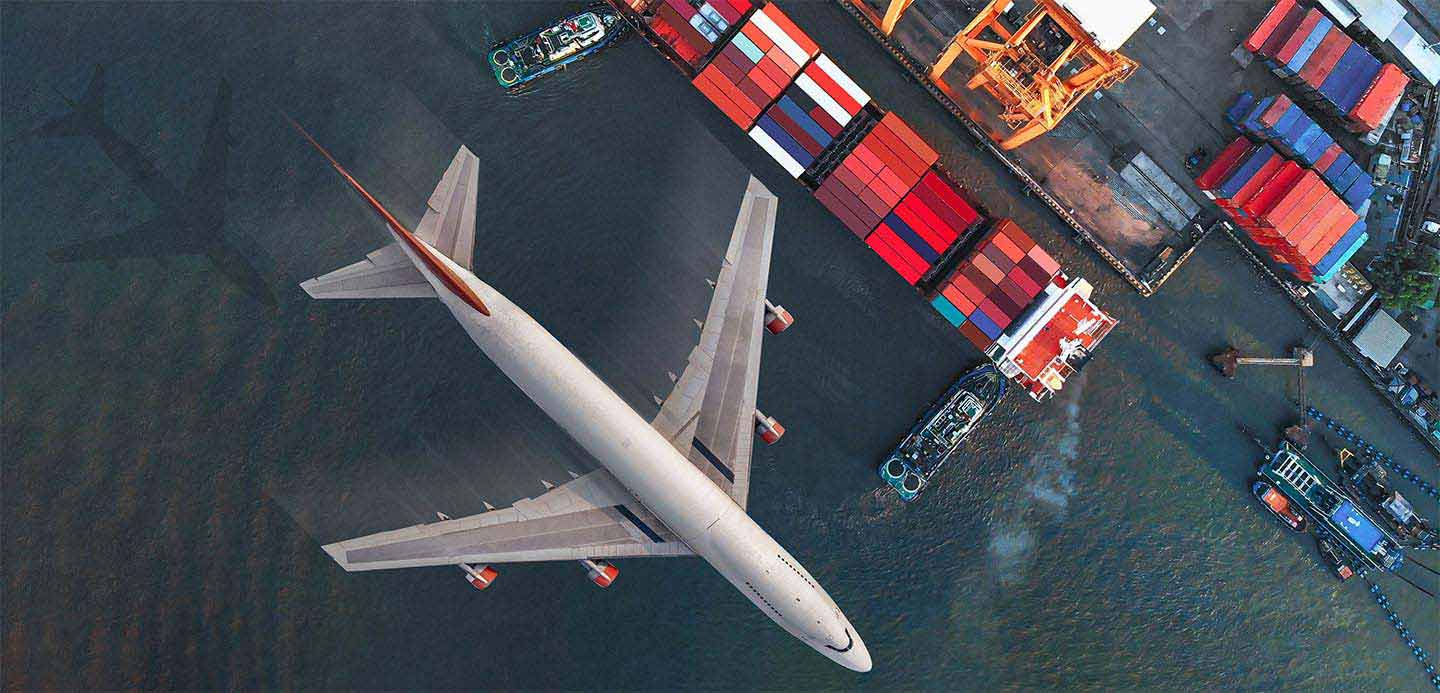
transport-and-logistics-banner-image

Transition Pathways: Transport and Logistics

Back to Transition Pathways

In the second instalment of HSBC's Transition Pathways, we’re focusing on the transport sector and taking a look at business sentiment across the air, maritime, road (freight and services), rail and the logistics verticals of the industry. Whilst the sector was affected by the COVID-19 pandemic, emissions and demand have returned, especially in emerging markets. Despite the challenges, momentum is building with many businesses in the sector seeing net zero as crucial to commercial growth, driving action to decarbonise their Scope 1 and 2 emissions and embedding new technologies related to electrification and sustainable fuels in their operations and value chains.

Transition plans will become increasingly important and are becoming the new normal in an increasing number of markets, as well as a regulatory and disclosure requirement for both corporates and financial institutions. Transition plans demonstrates action and practical steps against ambition and show regulators, financiers, investors and customers how an organisation intends to reach net zero, often by 2050, across its operations and value chains.

Our net zero ambition means aligning financed emissions – the greenhouse gas emissions of our clients – to net zero by 2050. We’re setting 2030 targets in different sectors, focusing on the heaviest emitters first. Our targets include reducing financed emissions from the aviation and automotive sectors.
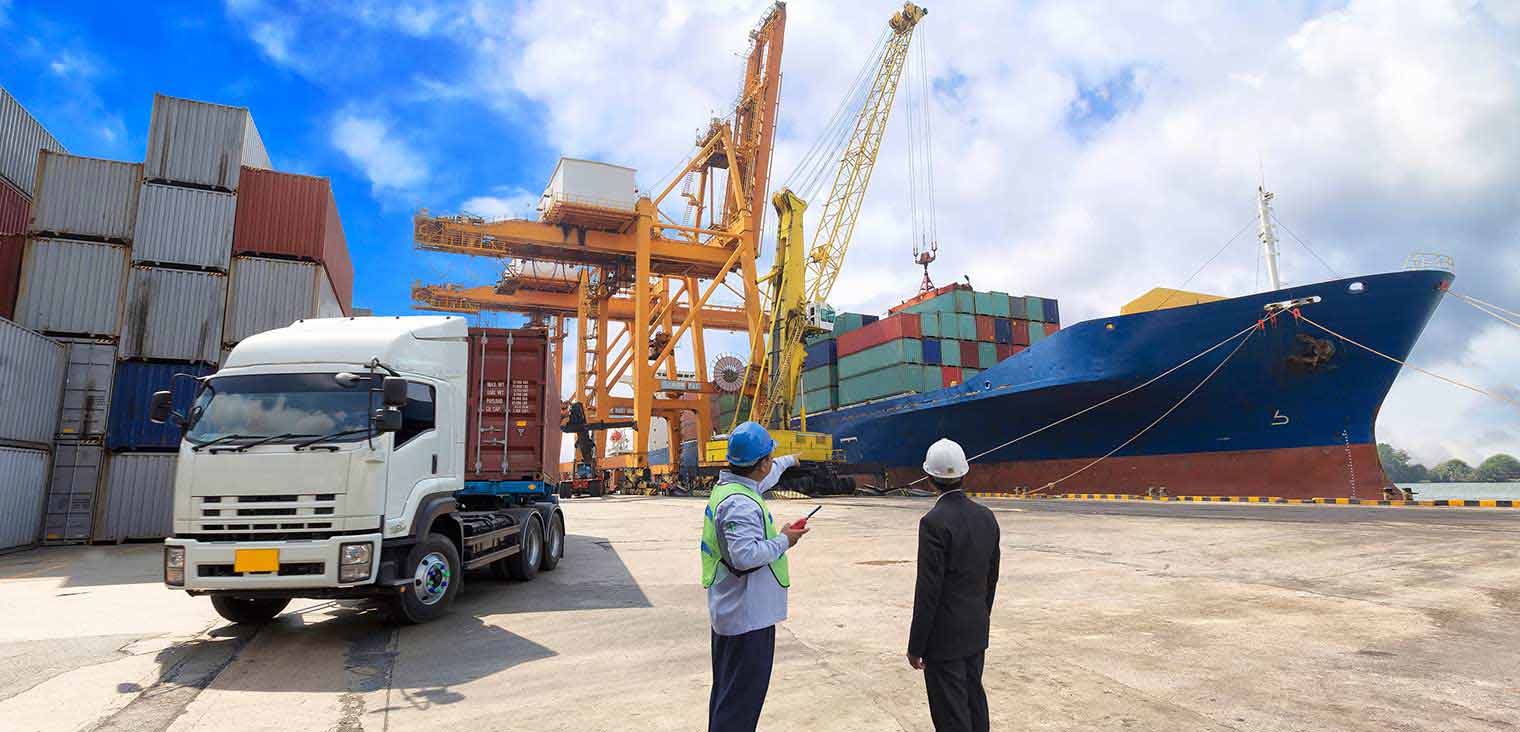

How is the sector transitioning?

How prepared are transport and logistics businesses for growing consumer, investor and regulatory influences to transition to net zero? What factors are helping or hindering their decarbonisation? With Kantar, we've asked over 300 companies in over 15 markets, what the transition means for their business. (Methodology available below).

Read on to discover how much road, air, sea and logistics businesses are investing and where they are focusing their efforts.

Growth

88%

of businesses see net zero as a significant contributor to business growth

Macro drivers

52%

say technology developments are accelerating their transition

Capex

29%

are already allocating more than 10% of their capital expenditure towards decarbonisation

Drivers and roadblocks: How are transport and logistics businesses approaching the low-carbon transition?

There is real momentum behind the transport sector’s transition to a lower-carbon future. As businesses put their decarbonisation plans into action, access to finance, investment and strategic advice will be of paramount importance.

Jon Connor | Global Head of Transport, Logistics, Infrastructure and Construction, HSBC

Steering towards net zero

Decarbonisation is seen as a business priority by many in the sector. Deep-dive into the key findings to find out more.
 Contact us icon

Need help?

Get in touch to learn more about our banking solutions and how we can help you drive your business forward.